Japanese Cotton Cheesecake
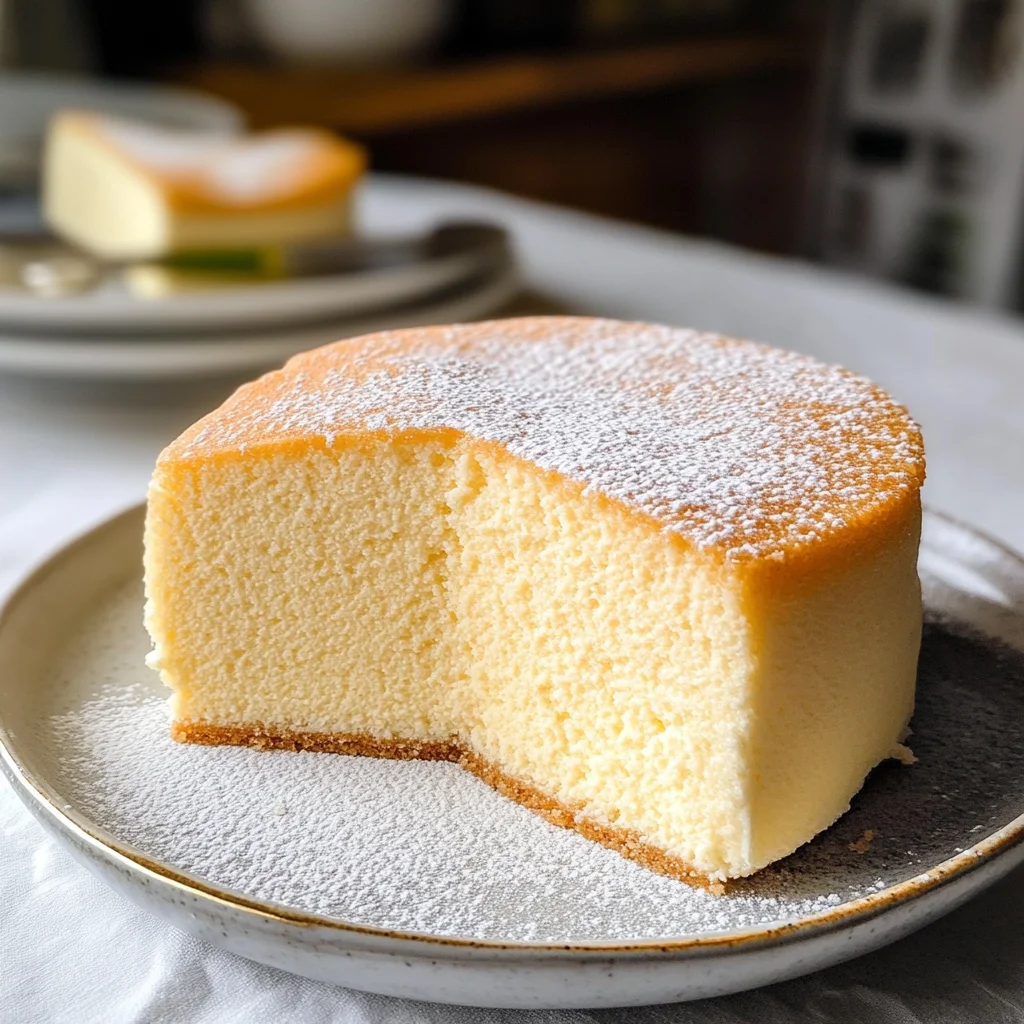
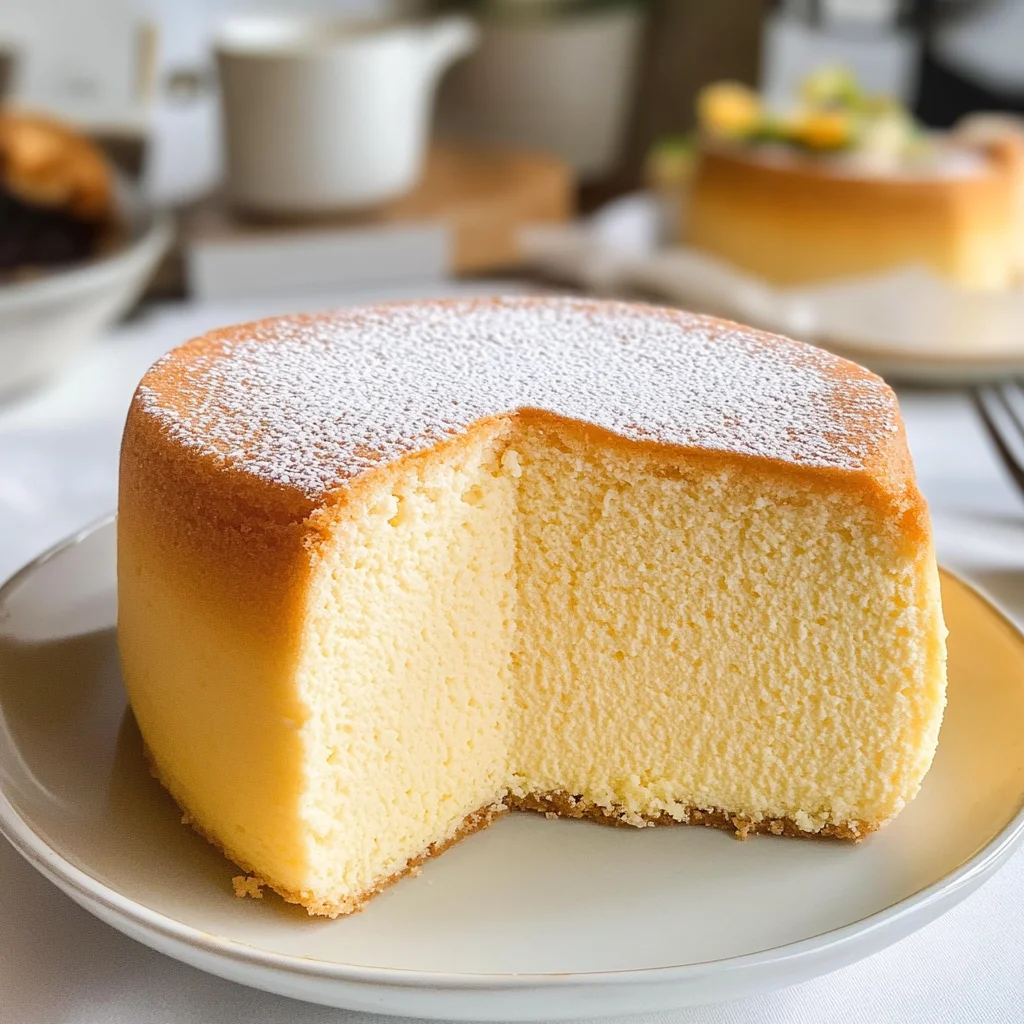
Fluffy and jiggly Japanese Cotton Cheesecake is a delightful dessert that’s perfect for any occasion. With its airy texture and melt-in-your-mouth flavor, this cheesecake is sure to impress family and friends. Whether you’re celebrating a special event or enjoying a sweet treat at home, this Japanese soufflé cheesecake stands out as an elegant choice.
Why You’ll Love This Recipe
- Incredibly Fluffy: The airy texture of the Japanese cotton cheesecake makes it a unique dessert experience.
- Easy to Make: With straightforward steps, even beginner bakers can create this masterpiece.
- Versatile: Perfect for any occasion, this cheesecake pairs well with fresh fruits or a simple dusting of powdered sugar.
- Mouthwatering Flavor: The combination of cream cheese and vanilla creates a delightful taste that keeps you coming back for more.
- Impressive Presentation: This show-stopping cake is visually stunning, making it ideal for gatherings and celebrations.
Tools and Preparation
Before diving into the baking process, gather your tools. Having everything ready will ensure a smooth cooking experience.
Essential Tools and Equipment
- 6-inch round baking pan
- Parchment paper
- Double boiler or heatproof bowl
- Electric hand mixer
- Mixing bowls
- Rubber spatula
- Fine mesh sieve
Importance of Each Tool
- Electric hand mixer: This tool helps achieve the perfect meringue by whipping egg whites to soft peaks quickly and efficiently.
- Fine mesh sieve: Sifting the flour and cornstarch ensures a smooth batter without lumps, leading to a fluffy texture in your cheesecake.
Ingredients
To make this delightful Japanese Cotton Cheesecake, you’ll need the following ingredients:
For the Batter
- 1/4 cup (30 g) cake flour
- 2 tablespoon (20 g) cornstarch
- 3/4 cup (180 g) cream cheese (full fat brick)
- 2 tablespoon (30 g) unsalted butter (room temperature)
- 3 1/2 tablespoon (50 g) milk (full fat)
- 3 large egg yolks (room temperature)
- 1/2 teaspoon (2 g) vanilla extract
For the Meringue
- 3 large egg whites (room temperature)
- 1/3 cup (70 g) granulated sugar
- 1/2 teaspoon (2 g) lemon juice
Garnish
- powdered sugar
How to Make Japanese Cotton Cheesecake
Step 1: Preheat the Oven
Preheat your oven to 300°F (150°C) and prepare your 6-inch round baking pan by lining the bottom and sides with parchment paper.
Step 2: Melt the Butter and Cream Cheese
Fill a small saucepan halfway with water and bring it to a boil. In a heatproof bowl that fits on top of the saucepan, combine the cream cheese, unsalted butter, and milk. Whisk until melted and fully combined at about 130°F (55°C).
Step 3: Add Egg Yolks and Vanilla
Remove the bowl from heat. Whisk in the egg yolks and vanilla extract until well combined.
Step 4: Sift in Cake Flour
Using a fine mesh sieve, sift in cake flour and cornstarch. Whisk until smooth, then pour through the sieve again to eliminate lumps.
Step 5: Make the Meringue
In a large mixing bowl, combine egg whites and lemon juice. Using an electric hand mixer, beat on high until frothy. Gradually add sugar in three parts while whisking until medium soft peaks form. Reduce speed to low for an additional 30 seconds to remove large bubbles.
Step 6: Combine Meringue with Egg Batter
Fold one-third of the meringue into the egg batter until smooth.
Step 7: Mix Egg Batter into Meringue
Gently pour the egg mixture into the meringue. Carefully fold using a rubber spatula until just combined without deflating too much air.
Step 8: Prepare for Baking
Pour batter into the lined baking pan from about five inches above to pop larger air bubbles. Place this pan into a deep baking tray filled with about 1-2 cm of hot boiling water.
Step 9: Bake Your Cheesecake
Bake at 300°F (150°C) for 30 minutes. Lower temperature to 230°F (110°C) for another 30 minutes before increasing to 275°F (135°C) for an additional 13-15 minutes. Check for cracks; if they appear, slightly open the oven door to release steam.
Step 10: Cool Down
Once baked, turn off the oven but leave the cheesecake inside with the door cracked for about 15 minutes. Remove from water bath and let it cool in the oven for another 15 minutes before transferring it onto a rack to cool completely. Dust with powdered sugar before serving!
How to Serve Japanese Cotton Cheesecake
Japanese cotton cheesecake is not just a treat for the taste buds; it’s also a feast for the eyes. This delicate and fluffy dessert is perfect for various occasions and can be served in multiple delightful ways.
With Fresh Berries
- Serve your cheesecake with a mix of fresh strawberries, blueberries, and raspberries. The tartness of the berries complements the sweetness of the cake beautifully.
Drizzled with Fruit Sauce
- A homemade fruit sauce made from pureed mango or strawberry adds a vibrant touch. Simply blend your choice of fruit with a bit of sugar and lemon juice, then drizzle over each slice.
Topped with Whipped Cream
- Lightly whipped cream adds extra richness. Consider flavoring it with vanilla or a hint of almond extract for an added twist.
Paired with Green Tea
- The subtle bitterness of green tea balances the sweetness of the cheesecake. Brew a strong cup to serve alongside for a delightful pairing.
How to Perfect Japanese Cotton Cheesecake
Creating the perfect Japanese cotton cheesecake requires attention to detail and a few helpful tips. Follow these suggestions for optimal results.
-
Use Room Temperature Ingredients: Ensure that your cream cheese, eggs, and butter are at room temperature to help them blend smoothly into the batter.
-
Sift Dry Ingredients: Sifting your cake flour and cornstarch eliminates lumps and ensures a light texture in your cheesecake.
-
Monitor Oven Temperature: Keep an eye on your oven’s temperature during baking. If you notice any cracking, reduce the heat slightly to maintain moisture.
-
Cool Gradually: Allowing the cheesecake to cool slowly in the oven helps prevent shrinkage and cracking. This gradual cooling keeps your cake fluffy.
Best Side Dishes for Japanese Cotton Cheesecake
Serving side dishes alongside your Japanese cotton cheesecake enhances the overall dining experience. Here are some delightful options that pair well with this light dessert.
-
Matcha Green Tea Ice Cream
The earthy flavor of matcha ice cream provides a contrasting taste that complements the sweetness of the cheesecake perfectly. -
Fruit Salad
A refreshing fruit salad made from seasonal fruits adds color and freshness to your dessert table, making it visually appealing as well. -
Pocky Sticks
These crunchy chocolate-covered biscuit sticks add an enjoyable crunch that contrasts well with the soft texture of the cheesecake. -
Chilled Mango Soup
A sweet mango soup provides a unique pairing; its smooth consistency will enhance every bite of cheesecake enjoyed alongside it. -
Chocolate Ganache
For those who love chocolate, serving a small bowl of rich chocolate ganache allows guests to dip their cheesecake slices into decadence. -
Sesame Cookies
Crisp sesame cookies can provide an interesting textural contrast while adding nutty flavors that complement the cake’s softness.
Common Mistakes to Avoid
Making Japanese cotton cheesecake can be a delightful experience, but there are common pitfalls to watch out for.
- Incorrect oven temperature: Baking at the wrong temperature can cause your cheesecake to crack. Always use an oven thermometer for accuracy.
- Not using room temperature ingredients: Cold eggs and cream cheese can lead to a lumpy batter. Ensure all ingredients are at room temperature before mixing.
- Overmixing the batter: This can deflate the air incorporated during whipping. Gently fold the meringue into the batter until just combined.
- Skipping the water bath: This crucial step helps maintain moisture and even cooking. Always place your cake pan in a larger tray filled with hot water.
- Opening the oven door too early: Sudden temperature changes can cause your cheesecake to collapse. Avoid opening the door until it’s nearly done baking.
Storage & Reheating Instructions
Refrigerator Storage
- Store Japanese cotton cheesecake in an airtight container.
- It will keep well for up to 3 days in the refrigerator.
Freezing Japanese Cotton Cheesecake
- Wrap slices in plastic wrap and then foil for best results.
- The cheesecake can be frozen for up to 2 months.
Reheating Japanese Cotton Cheesecake
- Oven: Preheat to 350°F (175°C) and warm for about 10-15 minutes.
- Microwave: Heat on low power for about 20-30 seconds. Keep an eye on it!
- Stovetop: Place in a pan over low heat, covered, for about 5 minutes.
Frequently Asked Questions
Here are some common questions about making Japanese cotton cheesecake.
What is a Japanese Cotton Cheesecake?
Japanese cotton cheesecake is a light and fluffy dessert that combines traditional cheesecake with soufflé techniques, resulting in a jiggly texture.
How do I know when my Japanese Cotton Cheesecake is done?
It’s done when the top is golden brown, and a toothpick inserted in the center comes out mostly clean without wet batter clinging to it.
Can I customize my Japanese Cotton Cheesecake?
Absolutely! You can add flavors like matcha, chocolate, or citrus zest to enhance its taste while keeping the base recipe intact.
Why does my Japanese Cotton Cheesecake crack?
Cracking usually happens due to sudden temperature changes or baking at too high a temperature. A water bath can help prevent this issue.
How should I serve Japanese Cotton Cheesecake?
You can serve it plain or dusted with powdered sugar. Fresh fruit or whipped cream makes delightful toppings as well!
Final Thoughts
Japanese cotton cheesecake is not only visually stunning but also incredibly soft and delicious. Its versatility allows you to add personal touches while enjoying its classic flavor. Give this recipe a try and impress your friends and family with this delightful dessert!
Japanese Cotton Cheesecake
Japanese Cotton Cheesecake is a delicate and fluffy dessert that combines the best of traditional cheesecake with a soufflé-like texture. This delightful treat is perfect for any occasion, whether it’s a family gathering or a casual evening at home. With its melt-in-your-mouth flavor and airy structure, this cheesecake will surely impress your guests. Plus, it’s easy to make, allowing even beginner bakers to create a stunning dessert that tastes as good as it looks. Serve it plain or pair it with fresh fruits and whipped cream for an added touch of sweetness.
- Prep Time: 20 minutes
- Cook Time: 75 minutes
- Total Time: 1 hour 35 minutes
- Yield: Serves approximately 8 slices 1x
- Category: Dessert
- Method: Baking
- Cuisine: Japanese
Ingredients
- 1/4 cup (30 g) cake flour
- 2 tablespoon (20 g) cornstarch
- 3/4 cup (180 g) cream cheese (full fat brick)
- 2 tablespoon (30 g) unsalted butter (room temperature)
- 3 1/2 tablespoon (50 g) milk (full fat)
- 3 large egg yolks (room temperature)
- 1/2 teaspoon (2 g) vanilla extract
- 3 large egg whites (room temperature)
- 1/3 cup (70 g) granulated sugar
- 1/2 teaspoon (2 g) lemon juice
- powdered sugar for garnish
Instructions
- Preheat the oven to 300°F (150°C) and line a 6-inch round baking pan with parchment paper.
- In a heatproof bowl over simmering water, melt together cream cheese, butter, and milk until combined.
- Remove from heat and whisk in egg yolks and vanilla extract.
- Sift in cake flour and cornstarch; mix until smooth.
- For the meringue, beat egg whites with lemon juice until frothy; gradually add sugar until soft peaks form.
- Gently fold one-third of the meringue into the batter, then combine the remaining meringue carefully.
- Pour the batter into the prepared pan and place it in a larger tray with hot water (water bath).
- Bake for 30 minutes at 300°F (150°C), then lower to 230°F (110°C) for another 30 minutes before finally increasing to 275°F (135°C) for 13-15 minutes.
- Turn off the oven and let the cheesecake cool inside for 15 minutes before transferring it to cool completely on a rack.
- Dust with powdered sugar before serving.
Nutrition
- Serving Size: 1 slice (80g)
- Calories: 210
- Sugar: 9g
- Sodium: 180mg
- Fat: 12g
- Saturated Fat: 7g
- Unsaturated Fat: 4g
- Trans Fat: 0g
- Carbohydrates: 19g
- Fiber: <1g
- Protein: 5g
- Cholesterol: 80mg